515 Keisler Dr # 204, Cary, NC 27518
Your Complete Step-By-Step Guide to the Dental Implant Procedure


Your Complete Step-By-Step Guide to the Dental Implant Procedure
By Legacy Dental
If you are missing a tooth, dental implants can feel like a life-changing solution. But the unknown can make anyone nervous. This guide walks you through exactly what happens — from your very first visit to your final, beautiful smile. Think of it as your complete step-by-step guide to the dental implant procedure in Cary, written so you feel confident and ready before you even sit in the chair.
At Legacy Dental Cary, Dr. Chad Pastoor and the team believe informed patients make better decisions. Understanding each phase reduces anxiety and helps you prepare. Let’s walk through the process together.
Step 1: Your Initial Consultation and Dental Implant Planning in Cary
Every successful implant begins with a thorough consultation. Dr. Pastoor will review your full dental and medical history during this visit. He wants to understand your overall health, not just your missing tooth.
Next, your team will take digital X-rays and 3D imaging of your jaw. These images show bone density, nerve locations, and available space. This data shapes your entire personalized treatment plan.
During this appointment, you will also discuss your smile goals. Some patients want a single tooth replaced. Others need multiple implants as part of a broader Cosmetic Dentistry Cary treatment plan. Dr. Pastoor will explain your options clearly and honestly.
You will leave the consultation knowing exactly what lies ahead. There are no surprises at Legacy Dental Cary. Transparency is part of how the team builds lasting patient trust.
Step 2: Bone Grafting and Preparing Your Jaw (If Needed)
Not every patient requires a bone graft. However, some patients have experienced bone loss after tooth extraction. Without enough healthy bone, the implant post cannot anchor securely.
A bone graft adds structure to the jaw before implant placement. Material is placed at the extraction site to encourage new bone growth. This step takes several months to heal fully before implant surgery can begin.
If your imaging shows sufficient bone density, you skip this step entirely. Dr. Pastoor will tell you clearly whether grafting applies to your case. Many patients are pleasantly surprised to learn they can move directly to implant placement.
Step 3: Implant Post Placement — The Surgical Appointment
This is the step most patients feel anxious about. The good news is that it is far more straightforward than you might imagine. Dr. Pastoor performs this procedure right here in Cary using local anesthesia to keep you completely comfortable.
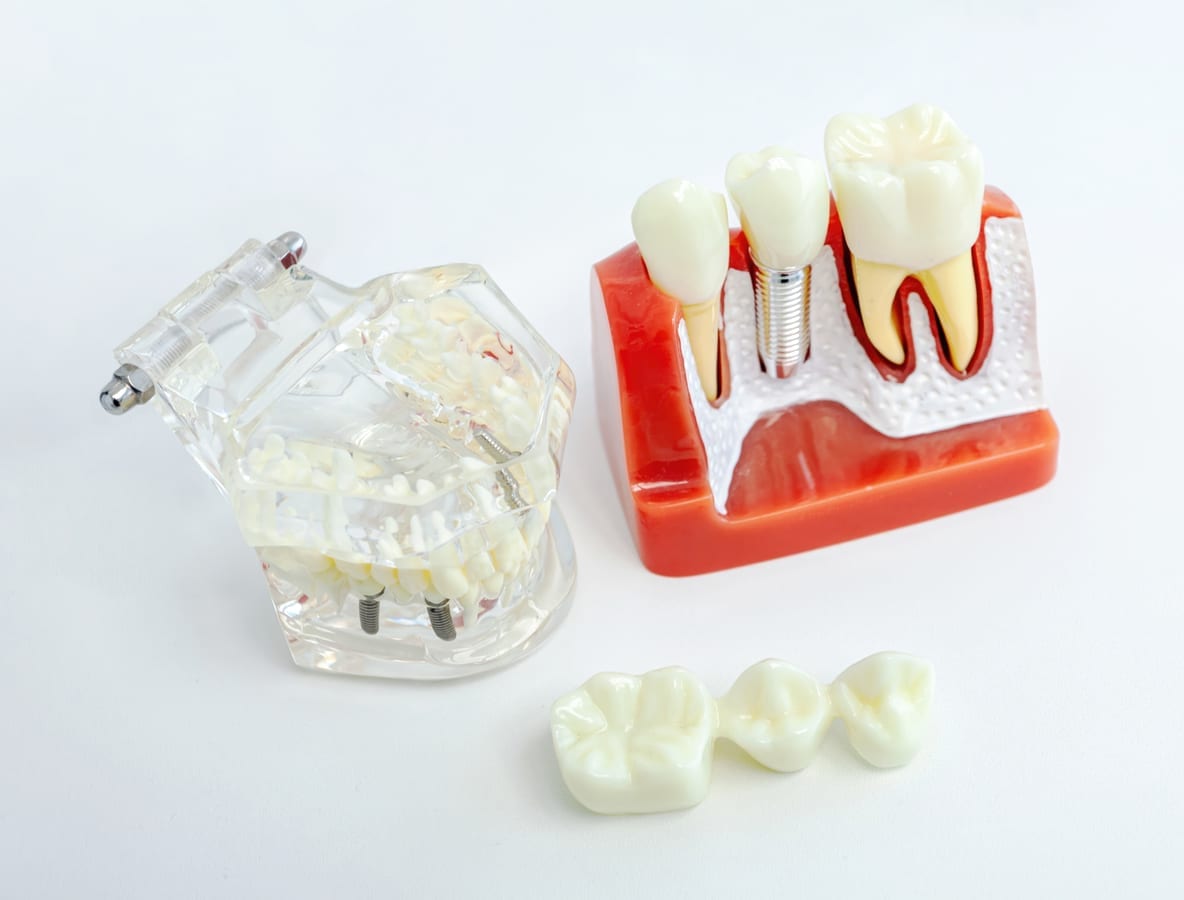
The procedure involves placing a small titanium post directly into the jawbone. Titanium is biocompatible, meaning your body naturally accepts it. The post acts as an artificial tooth root.
Here is what typically happens during the placement appointment:
- Your mouth is thoroughly numbed with local anesthesia
- A small incision is made in the gum tissue at the implant site
- The titanium post is carefully inserted into the jawbone
- The gum tissue is gently closed around the post
- A temporary cover is placed to protect the site during healing
The appointment usually takes one to two hours depending on complexity. Most patients report feeling pressure rather than pain. You can arrange for someone to drive you home afterward as a precaution.
Step 4: Osseointegration — Your Jaw Bonds With the Implant
After placement, the healing phase begins. This process is called osseointegration. It is the period when your jawbone fuses directly with the titanium post.
Osseointegration typically takes three to six months. During this time, you continue your normal life. You eat soft foods, maintain oral hygiene, and attend follow-up visits with Dr. Pastoor.
This phase is critical to long-term implant success. The bond formed during osseointegration is what makes implants so durable. Rushing this stage could compromise the entire restoration.
Your team will monitor your healing at regular check-ins. If you experience unusual discomfort or swelling, contact the office promptly. Most patients, however, report a smooth and uneventful healing experience.
Step 5: Placing the Abutment and Your Custom Crown
Once osseointegration is complete, Dr. Pastoor attaches a small connector piece called an abutment. This piece connects the implant post to your final crown. A brief appointment is all it takes.
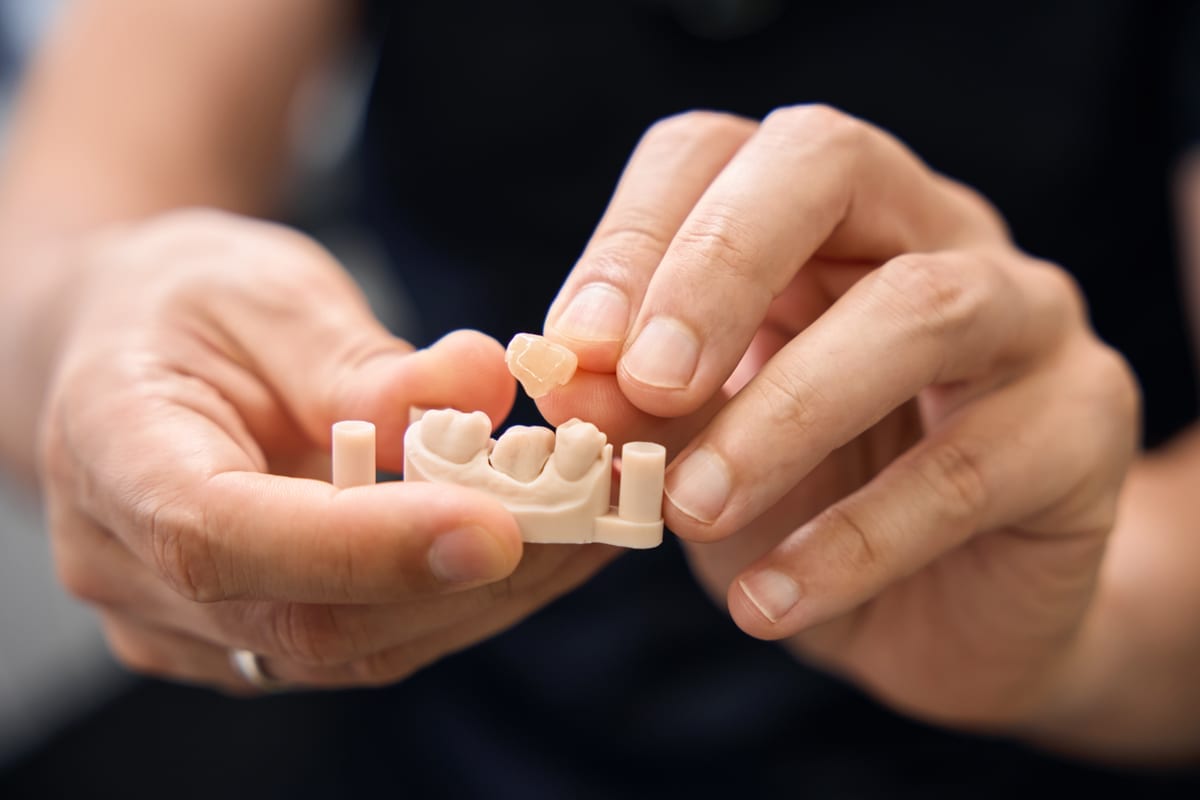
After the abutment is secure, impressions or digital scans of your teeth are taken. A dental lab uses these scans to craft your custom crown. The crown is designed to match the exact shape, size, and shade of your surrounding teeth.
When the crown is ready, Dr. Pastoor places it onto the abutment. He checks your bite carefully and makes any necessary adjustments. The result is a restoration that looks, feels, and functions like a natural tooth.
Benefits of choosing dental implants include:
- A permanent, stable tooth replacement that does not slip
- Preservation of surrounding jawbone and facial structure
- No impact on neighboring healthy teeth
- Easy care — brush and floss just like natural teeth
- A natural appearance that blends seamlessly with your smile
What to Expect During Recovery After Your Dental Implant in Cary
Recovery after the placement surgery is manageable for most patients. Mild swelling, tenderness, and bruising are completely normal. These symptoms typically peak within 48 hours and then gradually improve.
Dr. Pastoor will provide specific aftercare instructions tailored to your situation. Common recommendations include eating soft foods, avoiding smoking, and rinsing gently with warm salt water. Over-the-counter pain relievers are usually sufficient for comfort.
Long-term care is simple and straightforward. Brush twice daily, floss around the implant, and attend regular cleanings. With proper care, dental implants can last a lifetime.
Legacy Dental Cary serves patients of all ages — from adults pursuing implants to younger patients who visit for Pediatric Dentistry Cary care. The team creates a welcoming environment for every member of your family.
Conclusion: You Are Ready to Take the Next Step
Dental implants are one of the most reliable and rewarding procedures in modern dentistry. Now that you understand each phase — from consultation to crown — the process feels far less intimidating. Dr. Chad Pastoor and the Legacy Dental Cary team are here to guide you every single step of the way. Book Now to schedule your appointment with our team.
Frequently Asked Questions
How long does the entire dental implant process take in Cary?
The full process typically takes between six months and one year. The timeline depends on whether bone grafting is needed and how quickly osseointegration occurs. Dr. Pastoor will give you a personalized estimate during your consultation.
Is the dental implant placement procedure painful?
Most patients experience minimal discomfort during the procedure because local anesthesia numbs the area completely. Post-surgery soreness is normal but manageable with over-the-counter pain relievers. Dr. Pastoor’s team will provide detailed aftercare instructions to keep you comfortable.
Am I a good candidate for dental implants?
Most healthy adults with sufficient jawbone density are good candidates. Factors like uncontrolled diabetes or heavy smoking can affect healing. A thorough consultation with Dr. Pastoor will determine whether implants are right for you.
How do I care for my dental implant after placement?
Care for your implant just like your natural teeth. Brush twice daily, floss regularly, and visit Legacy Dental Cary for routine cleanings. Good oral hygiene is the single most important factor in long-term implant success.
What happens if I delay replacing a missing tooth?
Delaying tooth replacement allows the surrounding jawbone to deteriorate over time. Neighboring teeth may shift into the gap, affecting your bite and smile. Placing an implant sooner rather than later helps preserve your oral health and bone structure.