

Why Dental Implant is a Long-Term Tooth Replacement Option
By Legacy Dental
A lost tooth can impact more than your smile. It can alter the way you chew, how you speak, and even how you feel about yourself. People start with mostly temporary solutions in mind, yet restoring full functionality and long-term oral health generally involves a replacement that stabilizes the mouth. A knowledge of available options can help patients make informed decisions about their dental treatments.
Dental implants are the most commonly recommended treatment for missing teeth because they address both cosmetic and structural issues associated with this condition. Implants, unlike removable replacements, bond to the jawbone and promote long-term oral health. Something many patients exploring dental implants in Cary residents find exciting to learn about is precisely how this type of tooth replacement compares with their other options.
Understanding Dental Implants
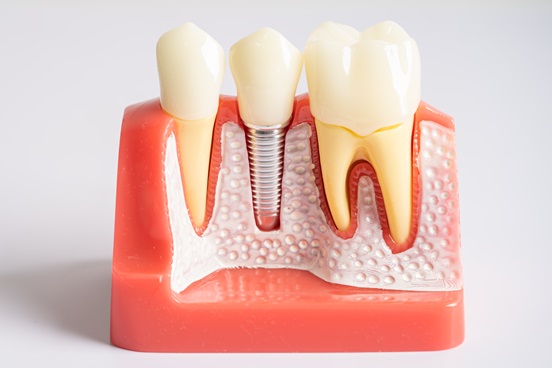
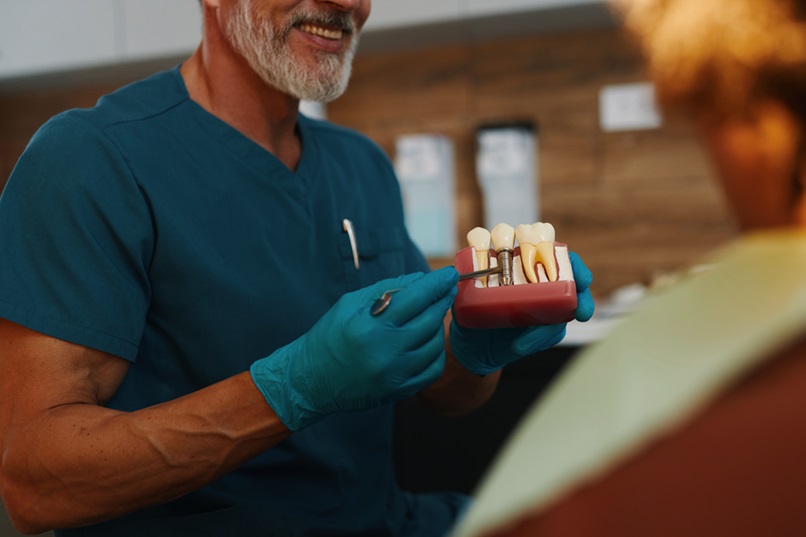
A dental implant is a tiny titanium post, which is placed into the jawbone at the spot where you are missing a tooth. The bone gradually bonds with the implant in a process called osseointegration. This provides a solid foundation for a crown that works just like a natural tooth.
Since dental implants in Cary actually join with your jaw structure, they create stability that cannot always be achieved with other replacement options. The result is a functional restoration that enables chewing, speaking, and smiling with confidence.
An implant dentist will first assess the health of your jawbone, gums, and oral tissues before recommending the procedure. This assessment ensures proper long-term functioning of the implant.
Why Dental Implants Are Designed for Long-Term Results
There are several reasons that implants can be a more permanent solution for replacing teeth. They are designed to restore both lost teeth and the bone support beneath them.
Integration With the Jawbone
Implants merge into the jawbone and do not require replacement or removal, in their entirety. Such integration provides a secure base that helps preserve bone density and structural integrity of adjacent teeth.
Stability During Daily Use
After they heal, the implants function like natural teeth. Patients can consume foods easily without sensitivity to displacement or movement.
Support for Neighboring Teeth
Traditional bridges are typically supported by adjacent teeth. Implants stand alone, which preserves the health and structure of surrounding teeth.
Natural Appearance
The crown of the implant blends with all the surrounding teeth. The shape, shade, and alignment are intended to seamlessly merge with how we naturally interact.
How Implants Can Help Protect Your Jawbone Health
When a tooth is lost, the bone in the region will begin to shrink as it is no longer stimulated by chewing. Over the years, this can change your facial structure and the alignment of nearby teeth.
Chewing forces are transmitted to the jawbone through the implant post. This stimulation keeps the bone strong and dense. For many patients, this is one of the most significant benefits, making implants a long-term fix rather than just a cosmetic replacement.
The Implant Placement Process
Patients who are aware of the process may feel more at ease when weighing this treatment option. Of course, each case is different, and the specific steps may vary, but the general process usually goes something like this.
- Initial Consultation: An implant dentist will assess your mouth’s health using scans and imaging, along with a thorough exam. That move determines whether the jawbone can anchor an implant.
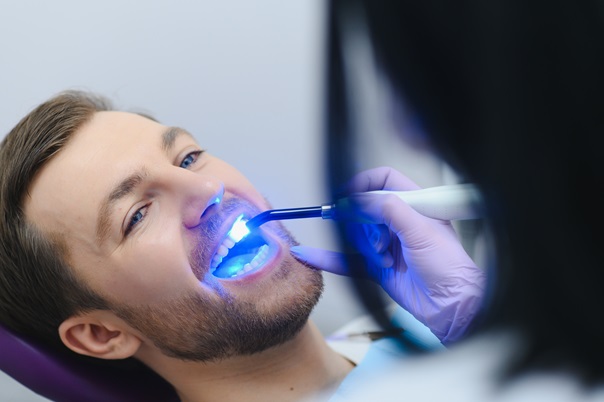
- Implant Placement: A titanium implant is inserted into the jawbone during a minor surgery.
- Healing and Integration: The implant fuses with the bone over several months. It is a crucial move for fundamental stability.
- Crown Placement: A custom crown is placed on the implant after healing to restore the missing tooth’s function and appearance.
Benefits of Dental Implants
Most people report better functioning in their daily lives after getting implants. These advantages go far beyond replacing teeth. Common advantages include:
- Able to chew a greater variety of foods more comfortably
- Crisis-free speech without the moving often characteristic of removable appliances
- A natural look that seamlessly integrates with the neighboring teeth
- Better balance of the bite and jaw alignment
- Long-term support for facial structure
Factors That Contribute to Long-Term Success
There are some factors that determine how long implants perform well.
- Consistent Oral Hygiene: Brush and clean between your teeth at least daily to help keep the gums around the implant healthy.
- Regular Dental Visits: Regular examinations enable dental professionals to assess the condition of the gum tissues and identify issues with an implant crown.
- Healthy Lifestyle Habits: Avoiding tobacco products and maintaining a balanced diet can enhance healing and long-term oral health.
Implants can function for several years if these habits are followed through.
Signs Dental Implants Might Be Worth Considering
Implants replace the underlying framework of a missing tooth, helping preserve bone health and contributing to natural function. For many patients, this balance of durability and stability makes implants a solid go-to for long-term dental health. Although each patient’s condition is individual, some scenarios frequently cause patients to explore implant treatment. Some common signs to consider implants include:
- One missing tooth that interferes with chewing or looks
- Oligodontia, meaning multiple missing teeth affecting the balance of your bite
- Difficulty wearing removable appliances comfortably
- A worry about jawbone changes post-tooth loss
An implant dentist consultation to evaluate our oral health level, especially gums and bones, to determine if they are adequate for implants.
A Future-Focused Solution for Missing Teeth
If you are one of those looking to replace a missing tooth, we can help in restoring function and confidence. Dental implants can bear on the jaw, helping keep its balance when biting occurs, providing better stability during eating and talking.
Learning more about the long-term benefits can help guide an informed decision for patients considering dental implants in Cary. To see if this solution is right for you, call Legacy Dental today to schedule your consultation! They can assess your oral health status and discuss personalized treatment options.
Questions People Ask About Dental Implants
1. How long do dental implants usually last?
Dental implants are designed for long-term function because they integrate with the jawbone. With consistent oral hygiene and routine dental visits, many implants remain stable for decades. The crown attached to the implant may need replacement over time due to natural wear, but the implant itself often remains secure.
2. Who is a good candidate for dental implants?
Most adults with healthy gums and sufficient jawbone support may be candidates for implants. An implant dentist evaluates bone density, gum condition, and overall oral health during a consultation. This assessment helps determine whether additional preparation or treatment is needed before implant placement.
3. Is the dental implant procedure painful?
The implant procedure is typically performed using local anesthesia, which keeps the area comfortable during placement. After the procedure, mild soreness or swelling may occur for a few days. Most patients manage this with simple post-procedure care and resume normal routines within a short period.
4. How long does the implant process take?
The complete process usually takes several months because the implant must integrate with the jawbone. Healing time allows the implant to form a stable bond with the bone. Once integration is complete, the final crown is attached to restore the tooth’s appearance and function.
5. Can dental implants replace multiple missing teeth?
Yes, implants can support single crowns, bridges, or even full arch restorations, depending on the number of missing teeth. An implant dentist evaluates the jawbone structure and surrounding teeth to determine the most appropriate treatment plan for each patient’s needs.
6. Do dental implants require special care?
Implants do not require special cleaning products, but they do require consistent oral hygiene. Brushing, flossing, and regular dental visits help maintain healthy gums around the implant. Maintaining these habits supports the long-term success and stability of the implant restoration.