


Step by Step Process of Getting Snap-In Implant Dentures
By Legacy Dental
Do you have an alternative to dentures in mind that doesn’t shift when you move your head? Then you might have been searching for snap-in dentures all along. Snap-in dentures stay in their fixed position at all times, and they use implants to do this, while other dentures tend to shift along with you wherever you go. Snap-in dentures also offer a comfortable and life-changing solution for people who have lost their teeth.
Although procuring snap-in implant dentures might be daunting for some people, the process of implant dentures is actually not that difficult. It begins with a consultation that evaluates your current condition and determines whether you are a good candidate for dental implants. As soon as that is done, the implant-supported overdenture process is actually pretty easy.
The Process of Obtaining Snap-In Implant Dentures
The steps involved in the fabrication of snap-in implant dentures include several key considerations to ensure success. All the steps involved work in a linked manner.
1. Initial Consultation and Assessment
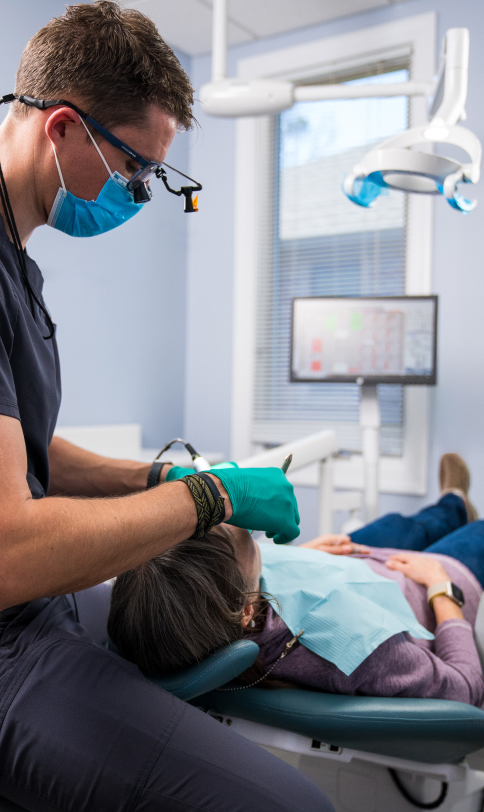
The initial step in seeking a snap-in implant denture in Cary is scheduling an appointment with your dentist. Your dentist will analyze your oral state in terms of your gum and bone structure, and also your general health, to see if there is a reason why you might not qualify for success in your procedure of an implant-supported overdenture.
If your bone loss is extensive, you may require bone grafting to ensure your implants are securely in place. That decision is left to your dentist, who can tell you what needs to be done.
2. Implant Placement
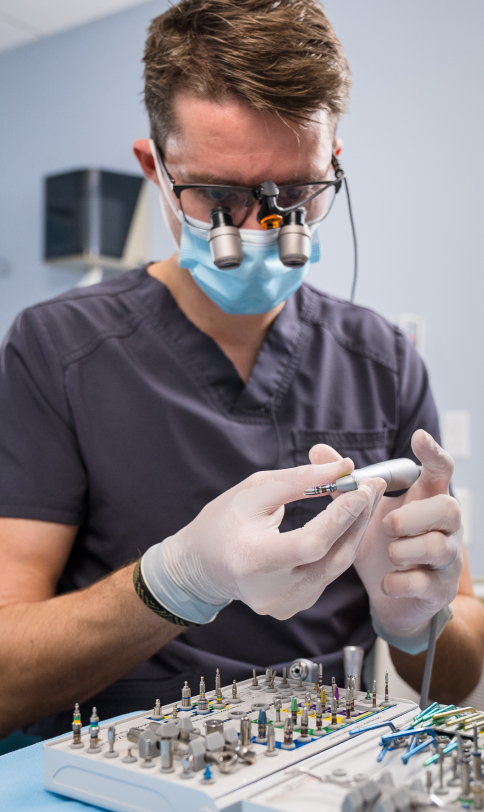
After that, you will undergo a process to confirm the individual’s suitability for snap-in dental implant installation. The next step is to install your dental implants. It is at this point that the small titanium rods, referred to as dental implants, are inserted into your jawbone. These dental implants will act as anchors for your dentures. This process can be done while you are anesthetized, so you will feel no pain. After the dental procedure, a waiting period ensues for osseointegration of the dental implants in the jawbone.
3. Healing & Osseointegration
The healing or integration time is a crucial part of having a pair of snap-in implant dentures. It is during the healing time that the bone of your jaw will begin to grow around the titanium rods. This will enable the denture to have a good anchor to hold it in place. This healing time usually lasts for a few months. During the healing period, there will be regular check-ups with the dentist to monitor progress.
4. Denture Fitting and Adjustments
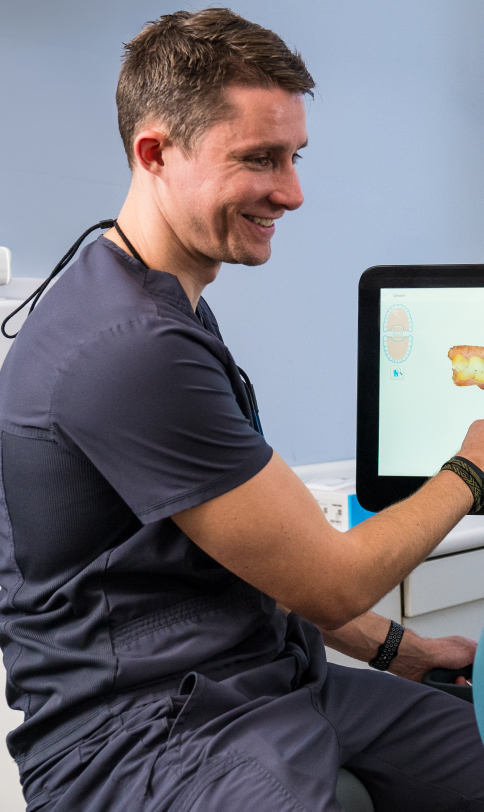
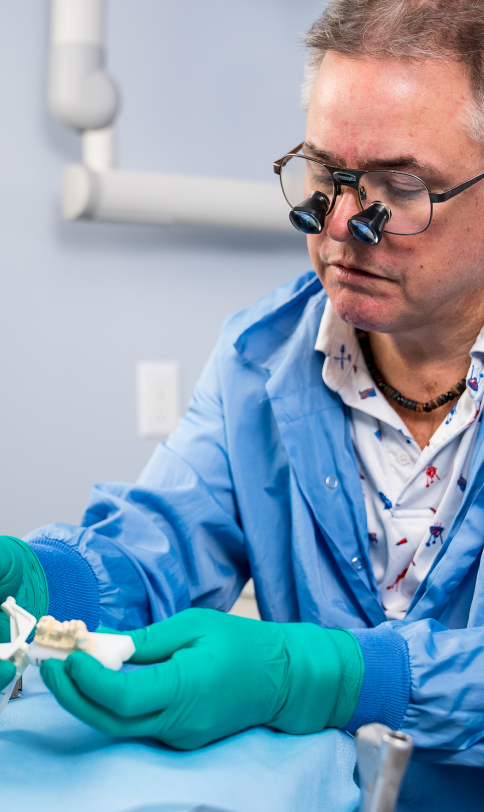
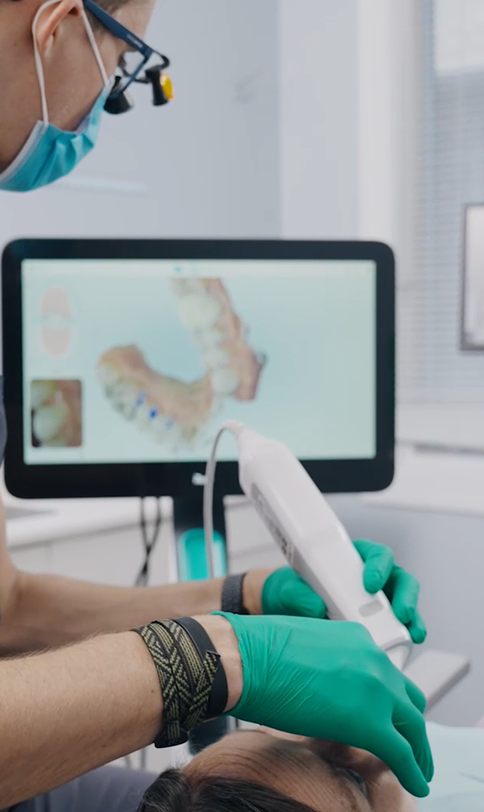
Once the implants are successfully incorporated into your jawbone, it is time to make custom snap-in dentures tailored specifically to you. Your dentist will take impressions of your jaws to ensure a good fit for the dentures. Your new dentures will be customized to fit the size and shape of your jaw and the actual teeth you have, giving you a natural look that’s almost perfect. Your new dentures will be connected to the implants, and any final adjustments will be done by your dentist to fit you to perfection.
5. Final Placement and Follow-Up Care
Once your implant-supported overdentures are firmly in position, you will return to the dentist for a follow-up appointment. Your dentist will verify that the dentures are functioning properly, moving smoothly from one position to the other and offering a snug, comfortable fit.
You will be advised on maintaining oral hygiene habits for your dentures, including cleaning, which is essential to keep them clean and prevent infections that could damage them and shorten their lifespan. Follow-up visits will be necessary, depending on whether any changes are needed.
Benefits of Snap-in Implant Dentures
There are many reasons why you might choose snap-in dental implant dentures, even compared to conventional dentures. These include:
- Stability: The main advantage of snap-in dentures is that they will not shift, providing a better fit.
- Comfort: The dentures are implant-supported, eliminating the pain of conventional dentures.
- Natural Look: Snap-in dentures are very similar to natural teeth. They are designed to give you a natural smile.
- Enhanced Function: With snap-in denture implants, you are able to eat a variety of foods without concern for denture movement.
- Long-Lasting: Long-lasting implants have a long lifespan. They can last for several years when well cared for.
Ready to Transform Your Smile with Snap-In Dentures?
With proper care, your dentures will provide a life-changing boost to your ability to smile, eat, and speak with confidence. Are you and your dentist ready to take the next step towards the secure, confident smile you deserve? Legacy Dental is committed to helping you understand the total benefits of Snap-In Implant Dentures.
Call us now to set up an appointment to explore your options. Our team will guide you through from start to finish to make your journey as smooth as possible. Start your transformation with snap-in implant dentures.
Questions People Ask About Snap-In Dentures
1. What is the healing time for snap-in implant dentures?
Healing for snap-in implant dentures typically takes several months as the implants fuse with the jawbone. During this time, follow-up visits will ensure proper integration, and your dentist will monitor your progress to ensure a successful outcome.
2. Are snap-in implant dentures better than traditional dentures?
Yes, snap-in implant dentures provide more stability and comfort than traditional dentures. They are securely anchored to implants, preventing slippage and improving speech and chewing. This makes them a more reliable, long-term solution for missing teeth.
3. Is the procedure for snap-in implant dentures painful?
The implant placement procedure is done under local anesthesia, so you won’t feel pain during the surgery. Afterward, some mild discomfort or swelling is common but can be managed with over-the-counter pain relievers, typically subsiding within a few days.
4. How long do snap-in implant dentures last?
Snap-in implant dentures can last 10-15 years or more with proper care. Regular cleaning and check-ups will help ensure their longevity, while the implants themselves can last a lifetime with good maintenance and occasional adjustments.