515 Keisler Dr # 204, Cary, NC 27518
Is Sleep Apnea Treatment Right for You?


Is Sleep Apnea Treatment Right for You?
By Legacy Dental
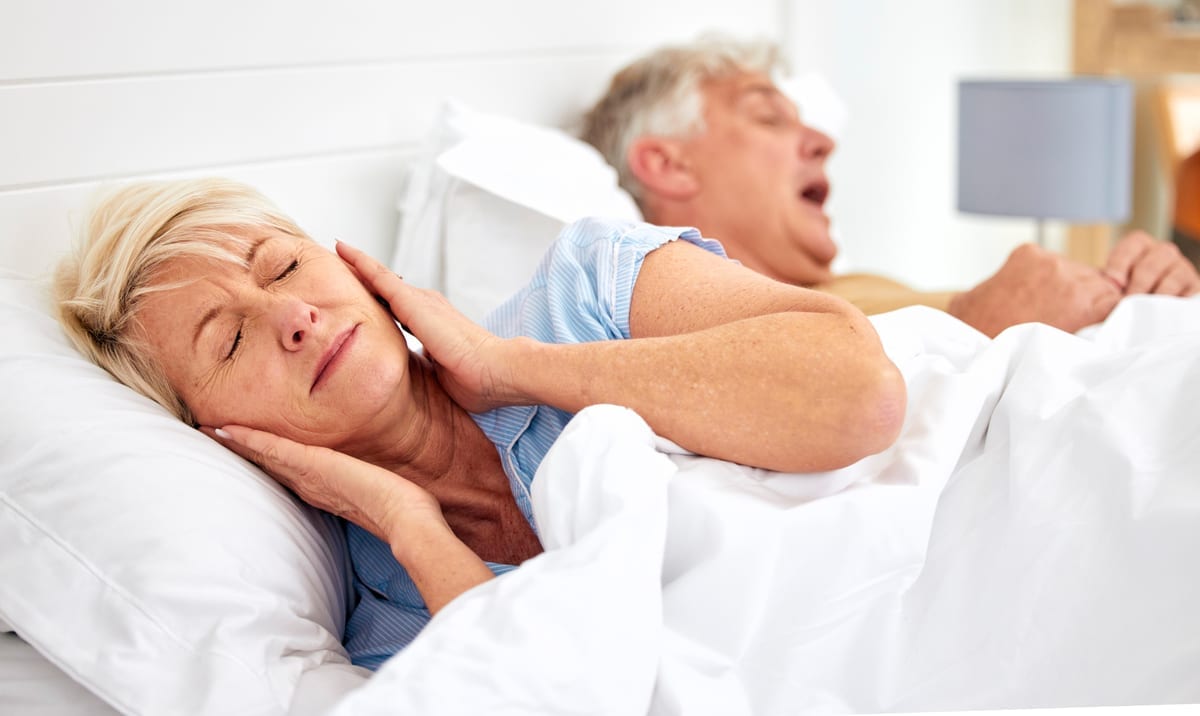
If you wake up exhausted every morning, your sleep may be the problem. Sleep apnea affects millions of Americans — and many don’t even know they have it. Is sleep apnea treatment right for you in Cary? That’s exactly what this guide will help you figure out. At Legacy Dental Cary, Dr. Chad Pastoor evaluates patients carefully to determine the best path forward.
What Is Sleep Apnea and Why Does It Matter?
Sleep apnea is a condition where breathing repeatedly stops and starts during sleep. These interruptions can happen dozens — or even hundreds — of times each night. Your body and brain are deprived of oxygen each time this occurs. Over time, untreated sleep apnea can seriously harm your overall health.
There are three main types of sleep apnea. Obstructive sleep apnea (OSA) is the most common form. It happens when the throat muscles relax and block the airway. Central sleep apnea and complex sleep apnea are less common but still serious.
Dentists play a key role in treating obstructive sleep apnea. Oral appliance therapy is a highly effective, non-invasive solution. Dr. Pastoor at Legacy Dental Cary is trained to provide this type of care. Many patients find it far more comfortable than a CPAP machine.
Who Is a Good Candidate for Sleep Apnea Treatment in Cary?
Not everyone with snoring has sleep apnea — but it’s worth finding out. Several signs suggest you may be a strong candidate for treatment. Recognizing these signs early can prevent long-term health complications.
You may benefit from sleep apnea treatment if you experience:
- Loud, chronic snoring that disturbs others
- Waking up gasping or choking during the night
- Excessive daytime fatigue despite a full night of sleep
- Morning headaches or dry mouth upon waking
- Difficulty concentrating or memory problems during the day
- Irritability or mood changes linked to poor sleep
Certain physical and lifestyle factors also increase your risk. These include obesity, a larger neck circumference, and nasal congestion. Smoking, alcohol use, and sleeping on your back can all worsen symptoms. Men are more commonly affected, though women and children can have sleep apnea too.
Age is another factor worth considering. Sleep apnea becomes more common as we get older. Even children with enlarged tonsils or adenoids can develop the condition. If you’re unsure, a proper evaluation is the best first step.
What Does a Sleep Apnea Evaluation Involve?
The evaluation process begins with a thorough conversation about your symptoms. Dr. Pastoor will ask about your sleep habits, health history, and lifestyle. He may also ask your bed partner about any observed breathing issues. This background information helps paint a complete picture.
Next, an oral and airway examination takes place. Dr. Pastoor will assess your jaw structure, tongue size, and throat anatomy. These factors directly influence whether an oral appliance will be effective. The exam is simple, comfortable, and takes only a few minutes.
You may also be referred for a sleep study. A sleep study — called a polysomnography — monitors your breathing and oxygen levels during sleep. At-home sleep testing is now widely available and easy to complete. The results confirm whether you have sleep apnea and how severe it is.
Once your evaluation is complete, Dr. Pastoor will review the findings with you. He’ll explain your diagnosis clearly and in plain language. From there, you’ll discuss the treatment options that make the most sense for your situation. Every recommendation is personalized — not one-size-fits-all.
What Factors Determine the Best Treatment Approach?
The right treatment depends on several individual factors. Severity is one of the most important considerations. Mild to moderate sleep apnea often responds very well to oral appliance therapy. Severe cases may require coordination with a sleep physician or specialist.
Your anatomy also plays a significant role. Jaw size, bite alignment, and the shape of your airway all matter. Patients with temporomandibular joint (TMJ) issues require careful assessment before using an oral appliance. Dr. Pastoor takes these details seriously to ensure your comfort and safety.
Lifestyle also influences which treatment approach works best. Weight loss, positional changes, and reducing alcohol intake can improve mild cases. However, these lifestyle changes work best alongside a clinical treatment. They’re not typically sufficient on their own.
Here’s a quick overview of the main treatment options Dr. Pastoor may discuss with you:
- Oral appliance therapy: A custom-fitted mouthguard that repositions your jaw during sleep
- CPAP referral coordination: For severe cases requiring a continuous positive airway pressure machine
- Combination therapy: Using both an oral appliance and lifestyle modifications together
- Collaborative care: Working alongside your physician or sleep specialist for complex cases
Dr. Pastoor works closely with each patient to find the most effective and comfortable solution. There is no single right answer for everyone. Your treatment plan reflects your unique anatomy, health history, and preferences.
How Sleep Apnea Connects to Your Overall Dental Health
Sleep apnea doesn’t just affect how rested you feel. It has a real impact on your oral and overall health. Patients with untreated sleep apnea often grind their teeth, a condition called bruxism. This can lead to worn enamel, cracked teeth, and jaw discomfort over time.
Dry mouth — another common symptom — increases the risk of tooth decay and gum disease. Saliva helps protect your teeth from bacteria. Without enough of it, cavities and inflammation become more likely. Treating sleep apnea can actually improve your dental health as a result.
At Legacy Dental Cary, we take a whole-patient approach to dental care. We offer a wide range of services, from Cosmetic Dentistry Cary to Pediatric Dentistry Cary for families. Sleep apnea treatment fits naturally into our commitment to comprehensive care. Your smile and your sleep health are deeply connected.
Taking the Next Step Toward Better Sleep in Cary
If you’ve been struggling with poor sleep, it’s time to take action. Many people suffer for years without realizing a solution is available at their dentist’s office. Dr. Chad Pastoor at Legacy Dental Cary is experienced in evaluating and treating sleep apnea. You deserve restful, restorative sleep every night.
The evaluation process is straightforward and stress-free. Dr. Pastoor will walk you through every step with patience and clarity. There’s no pressure — just honest, expert guidance tailored to your needs. The goal is to help you make the most informed decision possible.
Don’t let another restless night go by without answers. Reach out to our team and take the first step toward feeling better. Book Now to schedule your appointment with our team.
Frequently Asked Questions
How do I know if I have sleep apnea?
Common signs include loud snoring, waking up gasping, daytime fatigue, and morning headaches. A formal diagnosis requires a sleep study, which can often be completed at home. Dr. Pastoor can help guide you through the evaluation process.
Can a dentist really treat sleep apnea?
Yes — dentists trained in sleep medicine can treat obstructive sleep apnea with oral appliance therapy. This involves a custom-fitted device that keeps your airway open during sleep. It’s a proven, comfortable alternative to CPAP for many patients with mild to moderate sleep apnea.
Is oral appliance therapy comfortable to wear?
Most patients adjust to their oral appliance within a few nights. The device is custom-made to fit your mouth precisely. Dr. Pastoor fine-tunes the fit to maximize comfort and effectiveness for each individual patient.
How long does sleep apnea treatment take to work?
Many patients notice improvements in their sleep quality within the first week of using an oral appliance. Full adjustment may take a few weeks as your body adapts. Regular follow-up appointments help ensure the treatment is working as expected.
Is sleep apnea treatment suitable for children?
Children can develop sleep apnea, often related to enlarged tonsils or adenoids. Early evaluation and intervention are important for healthy development. A pediatric dentist or sleep specialist can assess whether treatment is appropriate for your child.