


How Do Dental Crowns Help with Tooth Sensitivity in Cary?
By Legacy Dental
Tooth sensitivity can make everyday activities like eating hot or cold foods, drinking beverages, or even brushing your teeth uncomfortable. If you’ve ever experienced a sudden, sharp pain when biting into something cold or sweet, you’re not alone. This common issue often arises when the protective enamel on your teeth wears down, exposing the sensitive underlying layers (dentin). Fortunately, dental crowns offer an effective solution to reduce sensitivity and protect your teeth. In this blog, we’ll explain how dental crowns can help with tooth sensitivity and why they’re an excellent choice for patients who are dealing with this issue.
What Causes Tooth Sensitivity?
Before diving into how dental crowns can help, it’s essential to understand the causes of tooth sensitivity. It occurs when the protective enamel on your teeth becomes thin or damaged. This can happen due to several factors, including:
- Tooth Decay: Cavities that form in your teeth can wear down the enamel, leading to increased sensitivity.
- Gum Recession: When your gums recede, the root surface of your teeth may become exposed, which can cause discomfort.
- Bruxism: Grinding or clenching your teeth can wear down enamel and cause sensitivity.
- Whitening Treatments: Some teeth-whitening products may irritate tooth enamel, leading to temporary sensitivity.
While tooth sensitivity is common, it doesn’t mean you have to live with it. Dental crowns are durable, long-lasting solutions that help restore comfort and protect your teeth.
How Dental Crowns Can Relieve Tooth Sensitivity
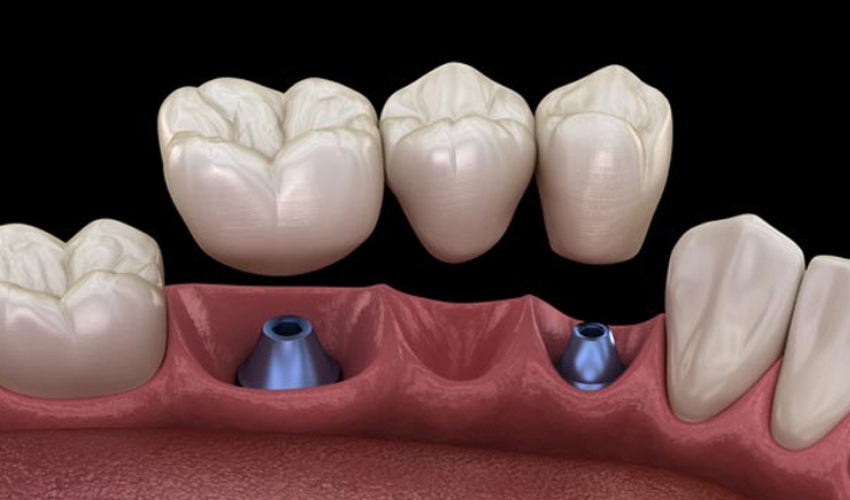
A dental crown is a cap that covers a damaged or decayed tooth, protecting it from further damage and restoring its shape and size. For patients with tooth sensitivity, dental crowns can be beneficial in the following ways:
- Complete Coverage and Protection
Dental crowns fully encase the tooth, protecting it from external factors such as temperature changes and pressure. When you experience sensitivity, the tooth’s nerve endings are often exposed. By placing a crown, you can shield these nerve endings, which helps reduce discomfort from hot or cold foods. - Strengthening Weakened Teeth
If your tooth is weak or damaged due to decay, fractures, or wear, a dental crown reinforces its structure. This added strength ensures your tooth remains intact and functional, preventing further irritation and sensitivity. - Restoring Tooth Shape and Function
If your tooth has been worn down over time due to grinding or other factors, a dental crown can restore its original shape. This allows you to chew and bite more comfortably, reducing the chances of sensitivity when using your teeth for regular functions like eating. - Sealing the Tooth from External Elements
Dental crowns act as a seal, preventing bacteria, plaque, and food particles from reaching the tooth’s inner layers. This is important for patients with receding gums or cavities, as a crown helps shield exposed areas and reduce sensitivity.
Benefits of Dental Crowns for Tooth Sensitivity
- Long-Lasting Protection: Crowns are durable and can last for 10 to 15 years, ensuring that you won’t have to worry about tooth sensitivity for a long time.
- Improved Comfort: By sealing the tooth and preventing further exposure of sensitive areas, crowns provide immediate relief from discomfort.
- Aesthetic Appeal: Modern crowns are designed to look natural and blend seamlessly with your existing teeth, so you don’t have to worry about your smile’s appearance.
- Custom Fit: Crowns are custom-made to fit your tooth precisely, ensuring comfort and effectiveness.
Say Goodbye to Tooth Sensitivity with Dental Crowns
If you’re dealing with tooth sensitivity, dental crowns can provide the protection and relief you need. With their ability to strengthen and shield your teeth, they’re an ideal solution for anyone looking to improve their comfort while eating, drinking, and living life without constant sensitivity.
Reach out to our dentist in Cary at Legacy Dental today to learn more about how dental crowns can make a difference in your life. Schedule a consultation with us!
FAQs
1. How long do dental crowns last?
Dental crowns typically last between 10 to 15 years, depending on the material used and how well you care for your teeth.
2. Will getting a dental crown hurt?
The process of getting a dental crown is usually painless, as local anesthesia is used during the procedure.
3. Can dental crowns fix cracked teeth?
Yes, dental crowns can be used to fix cracked or broken teeth, providing protection and restoring the tooth’s functionality.
4. Are dental crowns covered by insurance?
Many dental insurance plans cover a portion of the cost of dental crowns, especially if they are deemed medically necessary. Check with your provider for specifics.
5. Can I eat normally with a dental crown?
Once the crown is placed and fully set, you can eat and drink normally. However, it’s advisable to avoid hard or sticky foods that may damage the crown.