


Does Routine Dental Cleaning Protect Your Heart Health?
By Legacy Dental
Every discussion about routine dental cleaning centers on fresh breath and a sparkling smile. But did you know that regular visits to your dentist could help keep your heart healthy, too? Yes, you read that right. Research shows that maintaining good oral hygiene can significantly improve your cardiovascular health. Although it may seem unrelated, your mouth and heart are more connected than you might think. So, let’s explore how routine dental cleanings do more than just keep your teeth clean—they may play a crucial role in guarding your heart health.
The Mouth-Heart Health Connection
For years, researchers have been studying the relationship between oral health and heart health. Gum disease (also known as periodontal disease) may pose a great threat to your heart. The bacteria responsible for gum infections can travel from your mouth to your bloodstream, potentially contributing to inflammation and plaque buildup in the arteries. This is known as atherosclerosis, which can increase your risk of heart attacks, strokes, and other cardiovascular problems.
In fact, studies have shown that patients dealing with periodontal disease are at a higher risk of heart disease. According to the American Heart Association, gum disease has been linked to an increased risk of heart attack and stroke. The inflammation caused by oral bacteria can trigger inflammation that affects your blood vessels and heart.
How Routine Dental Cleanings Help
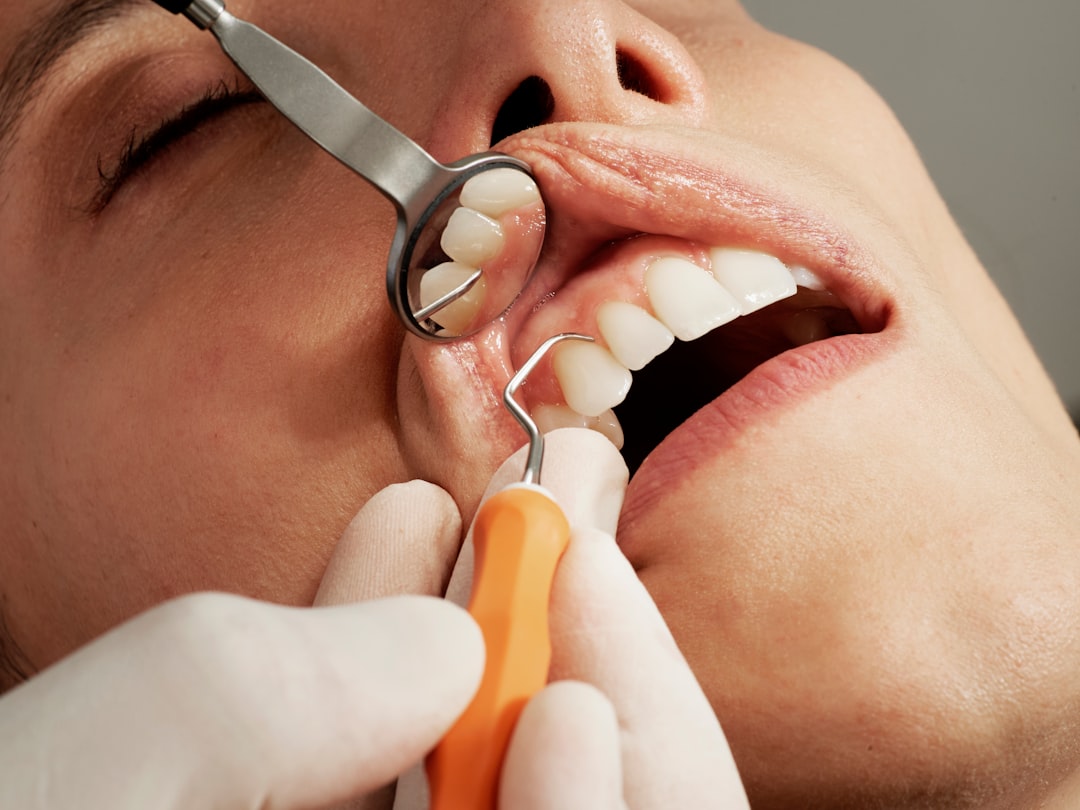
Routine dental cleanings play a key role in preventing gum disease, which is the root of many oral health-related problems. During a dental cleaning, your dentist removes plaque and tartar buildup from your teeth and gums. This prevents gum inflammation (gingivitis) and the more severe periodontal disease, which could harm both your oral and cardiovascular health.
By visiting your dentist regularly for professional tooth cleanings, you’re not only ensuring your teeth are free of plaque but also protecting your heart from potential inflammation. Dental cleanings help reduce the number of harmful bacteria in your mouth, lowering the risk of it spreading to your bloodstream.
What Happens During a Dental Cleaning?
A usual dental cleaning includes several steps:
- Plaque and tartar removal: Your dentist uses dental tools to remove plaque and tartar buildup from your teeth, especially along the gum line.
- Polishing: After plaque removal, your teeth are polished to smooth out any rough areas that might attract bacteria.
- Fluoride treatment: A fluoride treatment may strengthen your teeth and help protect against cavities.
- Examination: The dentist will check for any signs of gum disease, tooth decay, or other potential issues.
These steps work together to promote better oral health, which directly contributes to your overall well-being, including heart health.
Why Regular Dental Check-ups Are Essential for Heart Health
If you’re wondering how often you should schedule a cleaning, the American Dental Association (ADA) recommends visiting your dentist at least twice a year for routine dental cleanings. However, some patients with severe health conditions or risk factors, such as diabetes or a history of heart disease, may need to visit more frequently.
By making dental visits a regular part of your healthcare routine, you’re not only addressing your oral health but also helping prevent conditions that could affect your heart. It’s a simple step that can make a big difference in your overall health.
The Impact of Oral Hygiene on Heart Disease Risk
While dental cleanings are essential, your daily oral hygiene habits also play a significant role. Brushing your teeth at least twice a day, flossing, and using mouthwash are crucial for maintaining healthy gums and teeth. These habits help remove the bacteria that cause gum disease and reduce the risk of it spreading to your heart. Maintaining a healthy mouth helps support a healthy heart, so be sure to follow your dentist’s recommendations and practice good oral hygiene at home.
If you’re due for a cleaning or have any concerns about your oral health, contact Legacy Dental in Cary. Our team is here to provide the care and guidance you need to keep both your teeth and your heart healthy.
FAQs
1. Can routine dental cleanings really help protect my heart?
Yes, regular dental cleanings help prevent gum disease, which has been linked to an increased risk of heart disease. Keeping your mouth healthy may reduce the chances of heart-related issues.
2. How often should I get a dental cleaning?
It’s recommended that you visit your dentist for a cleaning every 6 months. However, if you have existing health conditions, such as diabetes or heart disease, more frequent visits may be necessary.
3. Can brushing my teeth alone protect my heart?
While brushing your teeth is essential, routine professional cleanings are necessary to remove plaque and tartar that brushing alone can’t remove.
4. Are there any other benefits to regular dental cleanings?
Yes! Routine cleanings also help prevent tooth decay, bad breath, and cavities, improving your overall oral health.
5. How do I know if I have gum disease?
Common signs of gum disease include bleeding gums, bad breath, swollen gums, and tooth sensitivity. If you experience any of these symptoms, contact your dentist right away.