
515 Keisler Dr # 204, Cary, NC 27518
Dental Implants: What You Need to Know


Dental Implants: What You Need to Know
By Legacy Dental
Dental Implants: A Complete Guide to Tooth Replacement
Dental implants are one of the most effective solutions for missing teeth. They look, feel, and function like natural teeth. Many patients choose them over other tooth replacement options. Understanding how they work helps you make a confident, informed decision about your oral health.
What Are Dental Implants?
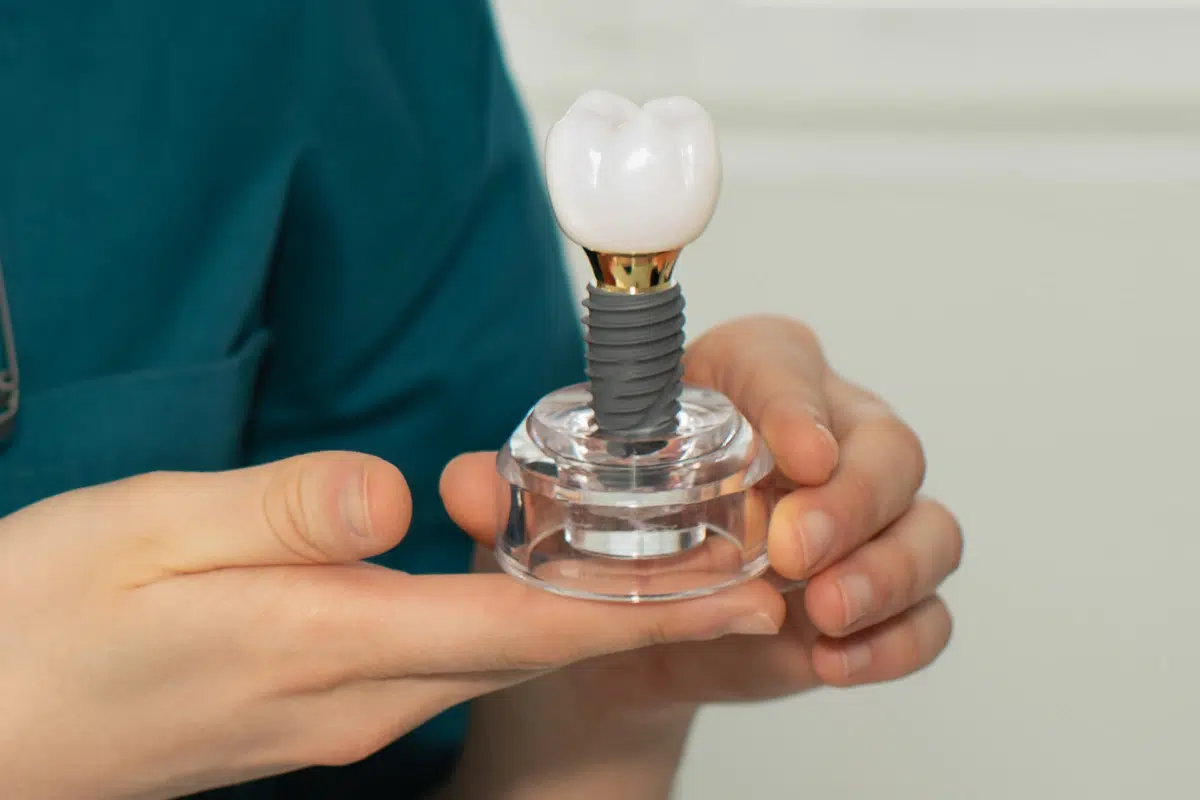
A dental implant is a small titanium post. It is surgically placed into your jawbone. Once healed, it acts as an artificial tooth root. A crown is then attached on top to complete the restoration.
Titanium is used because the body accepts it well. Over time, the bone fuses with the post. This process is called osseointegration. It creates a strong, stable foundation for the replacement tooth.
Implants are different from dentures or bridges. They do not rely on neighboring teeth for support. They also do not sit on top of your gums. This makes them a more independent and long-lasting solution.
Who Is a Good Candidate for Dental Implants?
Most healthy adults can receive dental implants. However, certain factors affect candidacy. Good bone density in the jaw is important. Your gums must also be healthy before treatment begins.
Patients with chronic conditions like uncontrolled diabetes may need extra evaluation. Smokers can still receive implants but face higher risks. Bone loss from long-term tooth absence may require a bone graft first. Our dental team will review your full health history before recommending treatment.
Age also plays a role. Teenagers whose jaws are still developing are not ideal candidates. Adults of all ages, including seniors, can often qualify. A thorough exam helps determine the best path forward for each individual.
The Dental Implant Process Step by Step
The implant journey usually takes several months. It begins with a comprehensive consultation. X-rays and 3D scans help map your jawbone structure. This planning stage is critical for a successful outcome.
The surgical placement comes next. The titanium post is inserted into the jaw under local anesthesia. Most patients report minimal discomfort during the procedure. Recovery from this stage typically takes a few weeks.
After the implant heals and fuses with the bone, an abutment is placed. This connector piece holds the final crown in place. The crown is custom-made to match your surrounding teeth. The result is a natural-looking and fully functional tooth.
The entire process from start to finish can take three to six months. Some cases may take longer depending on healing or bone grafting needs. Patience during this process leads to a durable, lasting result. Our dental team will guide you through each step along the way.
Benefits of Choosing Dental Implants
Dental implants offer several meaningful advantages over other tooth replacement methods. They preserve the jawbone by stimulating it like a natural root would. Without this stimulation, bone loss can occur over time. Implants help prevent that deterioration effectively.
Speech and chewing ability are also restored more naturally. Dentures can shift or slip during eating and talking. Implants stay firmly in place at all times. This gives patients greater comfort and confidence in daily life.
Oral hygiene is simpler with implants as well. You brush and floss them just like natural teeth. There are no adhesives or soaking solutions required. This makes long-term maintenance straightforward and familiar.
With proper care, dental implants can last a lifetime. The crown on top may need replacement after many years of wear. However, the implant post itself is designed to be permanent. This makes them a highly cost-effective long-term investment in your health. To learn more about how our team can help, contact us today.
Caring for Your Dental Implants
Caring for implants is similar to caring for natural teeth. Brush at least twice daily using a soft-bristle toothbrush. Flossing around the implant and gumline is equally important. Consistent hygiene habits protect both the implant and surrounding tissues.
Avoid chewing on hard objects like ice or pen caps. These habits can damage both implants and natural teeth. If you grind your teeth at night, let your dental provider know. A custom nightguard may be recommended to protect the restoration.
Regular dental checkups are essential for implant longevity. Our dental team monitors the implant, gums, and bone at each visit. Early detection of any issues prevents larger problems from developing. Staying consistent with professional cleanings extends the life of your implant significantly. Explore our full range of services to support your overall oral health.
Dental Implants vs. Other Tooth Replacement Options
Bridges and dentures are traditional alternatives to implants. A dental bridge uses neighboring teeth as anchors for a false tooth. This requires altering healthy teeth, which some patients prefer to avoid. Implants do not affect adjacent teeth at all.
Dentures are removable and replace multiple or all teeth at once. They are often more affordable upfront. However, they can become loose over time as the jaw changes shape. Many denture wearers eventually seek more permanent solutions.
Implants offer the closest experience to natural teeth. They are the only option that replaces the tooth root itself. This unique feature makes them the gold standard in tooth replacement. Learn more about our dental team and our approach to patient care.
Frequently Asked Questions
How long do dental implants last?
With proper care, dental implants can last a lifetime. The titanium post is designed to be a permanent fixture in the jaw. The crown on top may need replacement after 10 to 15 years depending on wear. Regular dental visits help extend the life of both components.
Is the dental implant procedure painful?
Most patients experience minimal discomfort during the procedure. Local anesthesia is used to numb the area completely. Some soreness and swelling are normal in the days following surgery. Over-the-counter pain relievers are usually sufficient to manage recovery discomfort.
How many teeth can be replaced with implants?
Implants can replace a single tooth, multiple teeth, or a full arch. Single implants support one crown each. Implant-supported bridges and dentures use fewer posts to support more teeth. Your dental provider will recommend the best configuration based on your specific needs.
What happens if I have bone loss in my jaw?
Bone loss does not automatically disqualify you from receiving implants. A bone graft procedure can rebuild the necessary bone volume. The graft must heal before the implant is placed, which extends the timeline. Our dental team will assess your bone structure during your initial consultation.
Are dental implants safe?
Dental implants have been used successfully for decades. They have a very high long-term success rate in healthy patients. Titanium is biocompatible, meaning the body does not reject it. Like any surgical procedure, risks exist but are minimized through careful planning and aftercare.