515 Keisler Dr # 204, Cary, NC 27518
Dental Implants in Cary, NC


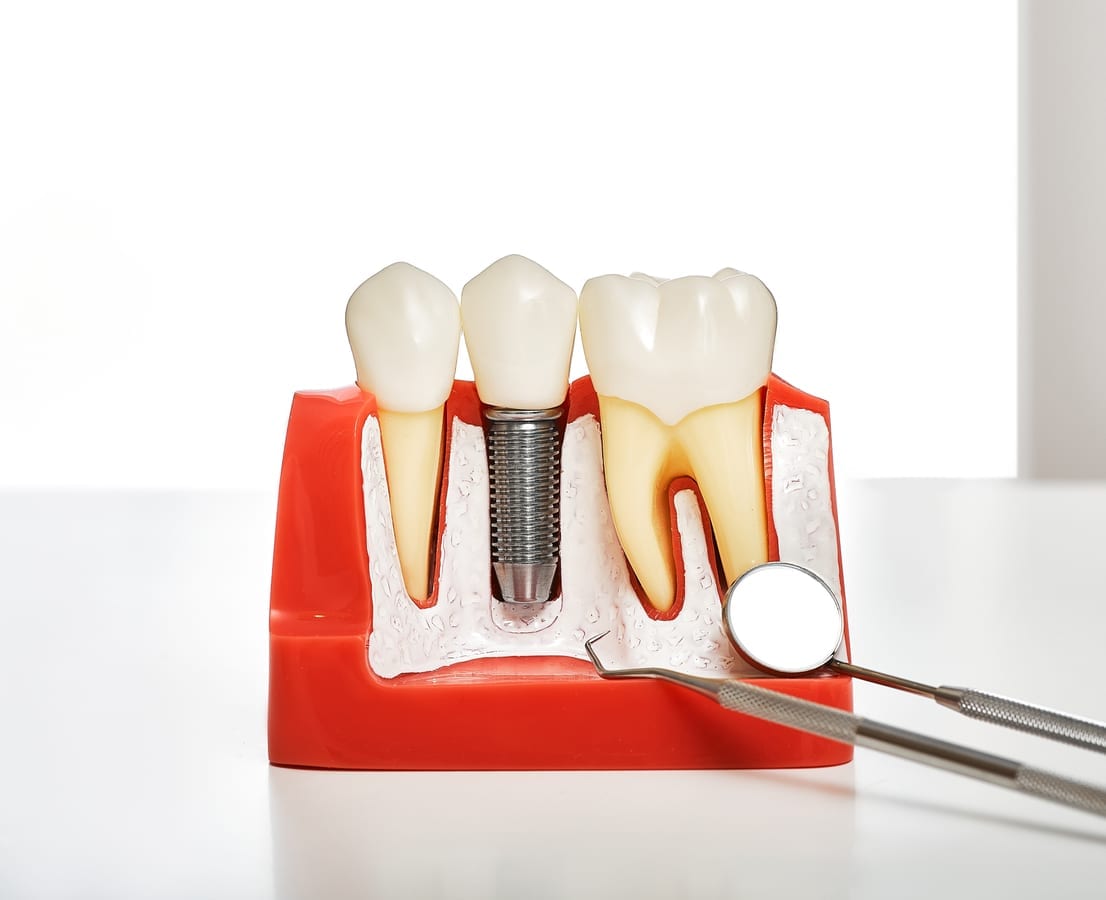
Dental Implants in Cary, NC
By Legacy Dental
If you have a missing tooth, you have probably wondered about dental implants. They look natural, last for decades, and function just like real teeth. But many patients in Cary, NC ask the same honest question — can you get dental implants? The answer depends on several factors your dentist evaluates carefully. Understanding what dentists actually check helps you walk into your consultation with confidence and realistic expectations.
Why Candidacy Matters Before Getting Dental Implants in Cary
Not every patient is an automatic candidate for dental implants. Implants require surgery, and they fuse directly to your jawbone. That process — called osseointegration — only works under the right conditions. Skipping a proper evaluation puts your long-term outcome at serious risk.
Dr. Chad Pastoor at Legacy Dental Cary takes a thorough, individualized approach to every implant consultation. He looks beyond just the missing tooth. He evaluates the whole picture — your bone structure, your health history, and your lifestyle habits. This careful process protects your investment and your smile.
What Your Dentist Actually Checks: Bone Density and Jaw Health
Bone density is the number one factor in implant candidacy. The implant post needs enough bone volume to anchor securely. Without adequate bone, the implant has nothing solid to fuse with. This is why a detailed exam — including digital X-rays or a cone beam CT scan — is essential before any procedure.
If your jawbone has shrunk due to tooth loss, you may still qualify. Many patients in Cary undergo a bone grafting procedure first. This rebuilds the bone volume needed to support an implant. It adds time to the process, but it opens the door for patients who might otherwise be turned away.
- Sufficient bone height and width are needed to place the implant post safely
- Bone grafting can restore volume if resorption has occurred after tooth loss
- Gum health must be evaluated — active gum disease can compromise implant success
- Bite alignment affects how pressure distributes across the implant once restored
Age, Overall Health, and Medical Conditions That Affect Eligibility
Age plays a role in implant candidacy — but not in the way most people expect. Older adults are generally excellent candidates. The real concern is the opposite end: younger patients whose jawbones are still developing should wait. Implants placed before full jaw development can shift as the face matures.
For adults, certain health conditions require extra consideration. Uncontrolled diabetes can slow healing and increase infection risk. Autoimmune disorders and some medications — like bisphosphonates used for osteoporosis — can affect bone healing too. Your dentist needs a complete medical history to assess these factors honestly.
Conditions that may complicate implant placement include:
- Uncontrolled diabetes or blood sugar issues
- Active cancer treatment, especially radiation to the head or neck
- Long-term use of bone-affecting medications
- Severe osteoporosis affecting jaw density
- Bleeding disorders that complicate oral surgery
Having one of these conditions does not automatically disqualify you. It means your dentist will coordinate with your physician and plan more carefully. Many patients with managed health conditions go on to have successful implants.
Does Smoking Affect Whether You Can Get Dental Implants?
Smoking is one of the most significant lifestyle factors affecting implant success. Nicotine restricts blood flow to the gum tissue and bone. That reduced circulation slows healing and raises the risk of implant failure significantly. Studies consistently show that smokers have higher implant failure rates than non-smokers.
This does not mean smokers are always excluded. However, Dr. Pastoor will have an honest conversation about the risks involved. Many dentists recommend stopping smoking for a period before and after surgery. That pause dramatically improves your healing environment and raises your odds of long-term success.
Other lifestyle habits that matter include:
- Alcohol consumption — heavy use can slow healing and affect bone quality
- Teeth grinding (bruxism) — excess force can loosen an implant before it fully integrates
- Oral hygiene habits — poor home care increases the risk of peri-implantitis after placement
How the Implant Consultation Works at Legacy Dental Cary
Your implant consultation is a fact-finding mission — for both you and your dentist. Dr. Pastoor will review your dental and medical history in detail. He will examine your mouth, gums, and existing teeth. Advanced imaging helps him measure bone volume precisely.
From there, he builds a personalized treatment plan. That plan may involve preparatory steps like gum disease treatment or bone grafting. Or you may be ready to move forward right away. Either way, you leave the consultation knowing exactly where you stand and what your path forward looks like.
Patients in Cary appreciate that this process is transparent and educational — not rushed. Legacy Dental Cary focuses on helping you make an informed decision. There is no pressure and no guesswork. Just a clear plan built around your specific mouth and health profile.
If you are also exploring other smile improvements, you may want to review our Invisalign Videos to see how patients combine implants with alignment treatment. You can also explore our Invisalign Info page to learn whether orthodontic prep could benefit your implant outcome.
The Bottom Line: Are You a Good Candidate?
The honest answer is — most healthy adults are good candidates for dental implants. The key word is evaluation. You cannot know for certain until a qualified dentist examines your bone, your gums, and your health history. Assuming you do not qualify — without ever asking — is the only guaranteed way to miss out.
Cary patients who feel hesitant often discover they are better candidates than they thought. A preliminary consultation costs you very little time. It gives you facts instead of guesses. And it may be the step that leads to a complete, confident smile you keep for life.
Dr. Chad Pastoor and the team at Legacy Dental Cary are ready to walk you through every step of this process with honesty and care. Book Now to schedule your appointment with our team.
Frequently Asked Questions
What is the minimum age to get dental implants?
Most dentists recommend waiting until the jawbone has fully developed, which typically happens in the late teens to early twenties. Placing an implant before jaw growth is complete can lead to shifting as the face continues to mature. Your dentist will use X-rays to confirm jaw development before proceeding.
Can I get dental implants if I have bone loss in my jaw?
Bone loss does not automatically disqualify you. Many patients undergo a bone grafting procedure to rebuild the area before implant placement. This adds steps to your treatment timeline, but it makes implants possible for many people who would otherwise not qualify. Your dentist will measure your bone volume precisely during your consultation.
How does smoking affect dental implant success rates?
Smoking significantly reduces blood flow to the healing tissues, which slows recovery and increases the risk of implant failure. Research shows smokers experience higher failure rates than non-smokers. Many dentists recommend quitting or pausing smoking before and after implant surgery to give the implant the best chance of integrating successfully.
Do health conditions like diabetes disqualify me from getting implants?
Uncontrolled diabetes can complicate healing and raise infection risk, but well-managed diabetes does not automatically disqualify you. Your dentist will work with your physician to assess your current health status. Many patients with managed systemic conditions successfully receive dental implants with careful planning and monitoring.
How long does a dental implant consultation take?
A thorough implant consultation typically takes 45 minutes to an hour. Your dentist will review your health history, examine your mouth, and take any necessary imaging. By the end of the appointment, you should have a clear understanding of your candidacy and a personalized treatment outline if you decide to move forward.